
Split Rock Climbing in Joshua Tree
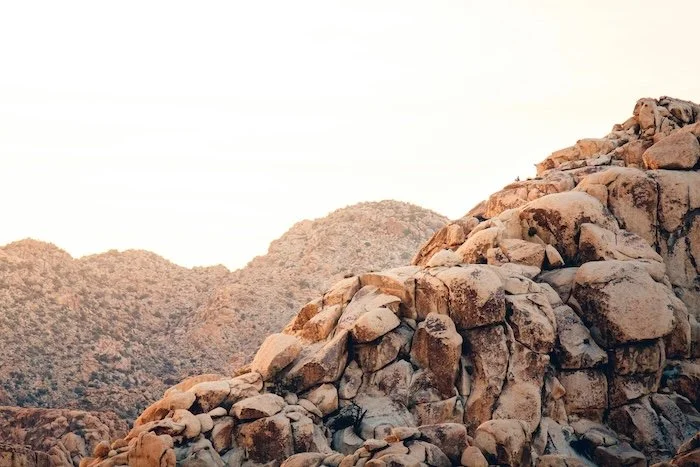
Split Rock sits on the eastern side of Joshua Tree National Park, away from the crowds that concentrate around Hidden Valley and the central park areas. The climbing here is serious, the rock quality is exceptional, and the crack routes are as good as anything in the park. Most visitors driving through never stop. Most climbers who do stop come back.
If you're looking for five-star crack climbing without fighting for routes on a busy weekend, Split Rock deserves a dedicated day..
Location: Eastern Joshua Tree National Park, near Jumbo Rocks Campground
Climbing Style: Trad, Top Rope, Bouldering
Skill Levels: Beginner to Advanced
Best Season: Fall, Winter, Spring
Typical Route Length: 40–120 feet
Approach Time: 5–20 minutess
Planning Resources
Joshua Tree National Park Climbing Regulations
Official NPS guidelines for climbing in the parkLeave No Trace Principles
Climbing ethics and low-impact practices for outdoor climbers
Local Guide Tip: Split Rock's eastern location puts it slightly off the radar for first-time park visitors, which works entirely in your favor. Routes that would have a line at Hidden Valley on a Saturday morning are often wide open here.
Want to explore Split Rock with a local guide?
Learn more about our Joshua Tree Rock Climbing Guides →
Why Climbers Love Split Rock
Split Rock doesn't get the same attention as Hidden Valley or Wonderland of Rocks, and that gap between reputation and quality is exactly what makes it worth knowing about. The climbing is legitimate, the setting is striking, and the eastern location keeps the crowds thin.
Exceptional Crack Climbing
Split Rock is known specifically for its crack climbing, and the reputation is earned. The routes here follow clean crack systems on high-quality monzonite granite — the same friction-friendly rock that makes Joshua Tree famous — with movement that rewards technique and patience in equal measure.
Route Variety Across Grades
Split Rock has genuine options across the skill spectrum. Newer climbers can find approachable routes to build outdoor fundamentals, and experienced trad climbers have serious objectives worth traveling for. The range of grades in a single area makes it practical for groups with mixed experience le
Quieter Than the Central Park Areas
The eastern location filters out a significant portion of the park's day visitors. Climbers who make the drive out here are typically more purposeful about it, which means a different atmosphere on the rock and better odds of finding routes open when you want them.
Striking Eastern Park Scenery
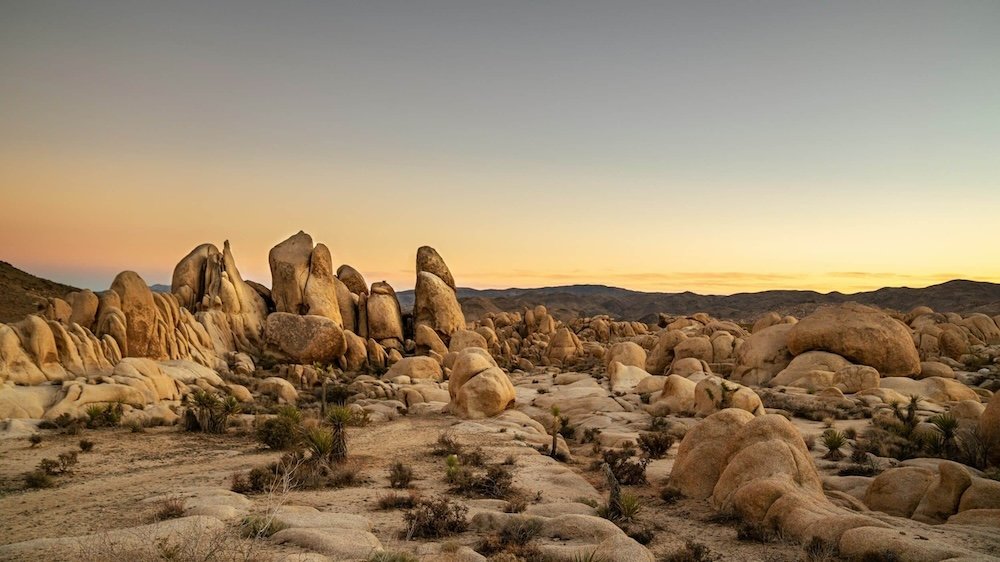
The eastern side of Joshua Tree has a different character than the central park. The formations feel more spread out, the horizon is wider, and the light in the late afternoon hits the granite in a way that makes the whole area glow. It's a different version of the Joshua Tree experience and one that a lot of climbers never see.
Camp and Climb Access
Jumbo Rocks Campground sits nearby, making Split Rock a natural base for climbers who want to spend multiple days working through the area's routes. The camp-and-climb proximity is one of the practical advantages that keeps people coming back.
Best Climbs at Split Rock
Split Rock has a deep inventory of crack climbs across grades and styles. These are among the most consistently recommended routes in the area. Route grades and conditions should always be independently verified before climbing.
Ms. Kitty's Litter Box (5.7)
A beloved moderate crack climb that delivers genuine Joshua Tree character at an accessible grade. Ms. Kitty's is a reliable choice for climbers developing trad fundamentals and a natural first lead objective for those building confidence on real rock. Clean movement, solid protection, and a route that earns its place on most people's Split Rock tick lists.
Grade: 5.7
Type: Trad
Why Climbers Love It: Classic crack movement at a grade that lets you focus on technique rather than survival.
Split Rock Jump (5.8)
A well-regarded moderate that showcases the best of what Split Rock crack climbing has to offer. Split Rock Jump combines quality movement with good protection opportunities and the kind of sustained climbing that keeps you engaged from bottom to top. A natural progression from the easier area classics and a consistent recommendation for climbers ready to step up.
Grade: 5.8
Type: Trad
Why Climbers Love It: Sustained crack climbing on excellent rock with movement that rewards good technique.
Fisticuffs (5.9)
A step into more demanding terrain and one of Split Rock's most sought-after moderate routes. Fisticuffs requires confident crack technique and deliberate gear placement across sustained movement. It's a benchmark route for climbers working toward harder trad grades and one that delivers a genuine sense of accomplishment when you get it right.
Grade: 5.9
Type: Trad
Why Climbers Love It: Demanding movement that builds real crack climbing skills and confidence.
Iron Man Traverse (5.10a)
One of the harder classics in the Split Rock area and a serious objective for experienced trad climbers. Iron Man Traverse demands precise footwork, confident gear placement, and the ability to manage sustained movement at a grade that requires full commitment. Worth the effort for climbers ready for it.
Grade: 5.10a
Type: Trad
Why Climbers Love It: A legitimate challenge on quality granite that rewards technical precision.
Split Rock Main Area
The central hub of the Split Rock climbing zone and the most visited section of the area. The main formation and surrounding rocks offer a concentrated selection of crack climbs across a range of grades, short approaches from the parking area, and enough variety to fill a full day without leaving the immediate zone.
Climbing Areas Within Split Rock
The Eye of Eagle Rock
A distinctive formation within the Split Rock area known for its visual character and the variety of routes it offers. Eagle Rock draws climbers looking for a mix of grades in a scenic setting and is worth including in a full day of exploration across the eastern park.
Juniper Flats Area
A collection of formations within the broader Split Rock zone that offers additional route options for climbers looking to explore beyond the main area. Juniper Flats has a mix of moderate and harder crack climbs on quality rock, and the lower foot traffic makes it a reliable option when the main Split Rock formations are occupied.
Jumbo Rocks Area
Closely connected to the Split Rock climbing zone and worth including in a multi-day or multi-area exploration of the eastern park. Jumbo Rocks has its own inventory of routes and formations that complement the Split Rock experience, and the nearby campground makes it a practical base for extended visits.
Beginner Climbing at Split Rock
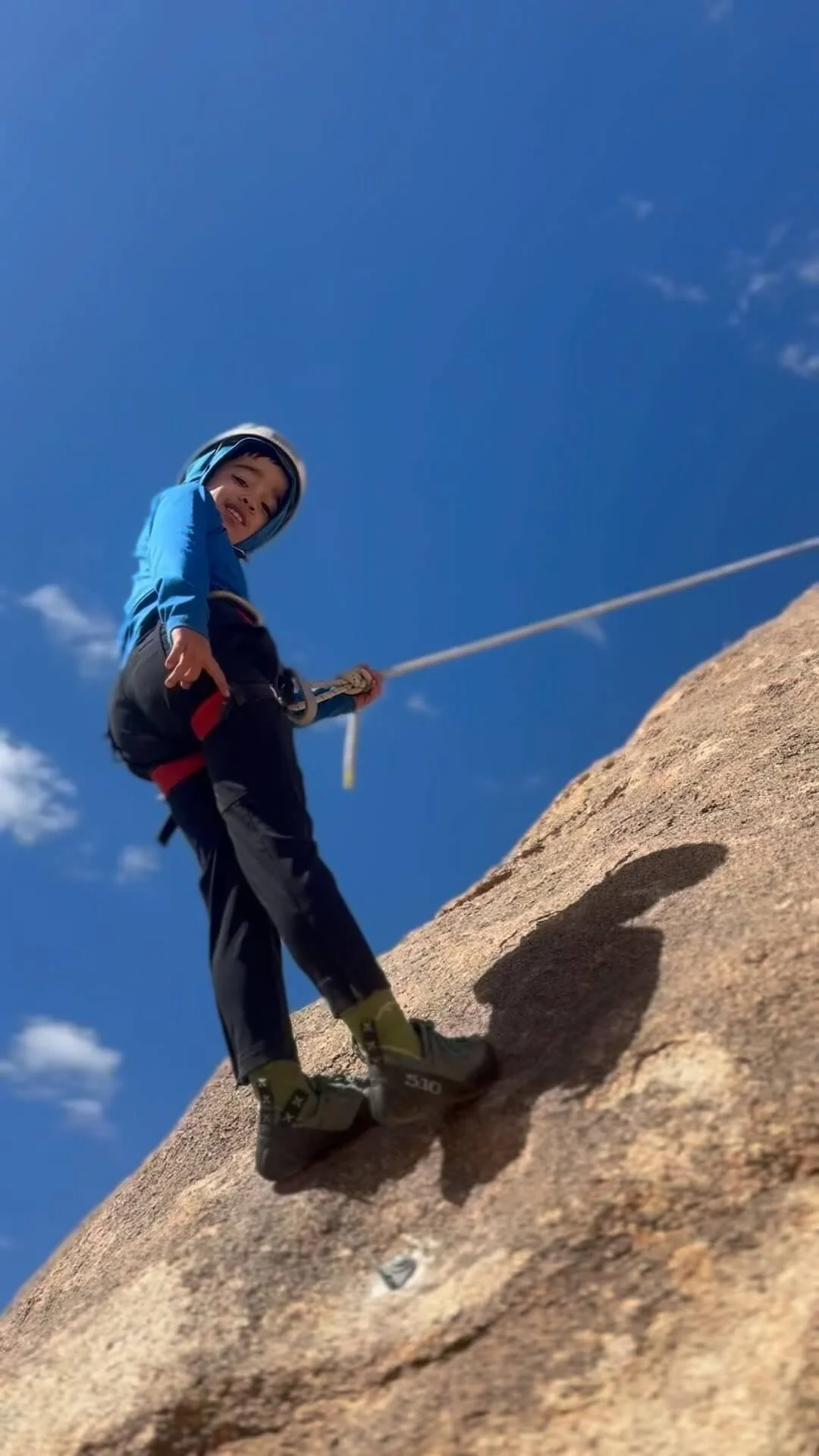
Split Rock is more beginner-friendly than its reputation sometimes suggests. The area has a solid selection of approachable routes, and the quieter atmosphere makes it a good environment for newer climbers who want space to figure things out without an audience.
Good starting objectives for newer climbers include:
Ms. Kitty's Litter Box — clean crack movement at 5.7, natural first trad lead territory
Main area top-rope setups — accessible formations with straightforward rigging near the parking area
Lower-grade routes on the main formation — variety of approachable terrain in a concentrated zone
If you're building outdoor trad fundamentals and want an area that delivers real climbing without overwhelming you, Split Rock is worth considering as a complement to or alternative to the busier central park areas.
Our Joshua Tree Rock Climbing Guides work regularly in the eastern park and know which Split Rock routes build the right skills for climbers at every starting point.
Intermediate and Advanced Climbing in Split Rock

Split Rock's crack climbing inventory is deep enough to keep experienced climbers engaged for multiple days. The routes here demand the same precision and technique required throughout Joshua Tree, and the area's relative quiet means you can work routes at your own pace without the pressure of other parties waiting.
What draws experienced climbers to Split Rock:
A deep inventory of quality moderate-to-hard crack climbs concentrated in one area
Routes like Fisticuffs and Iron Man Traverse that offer legitimate challenges across intermediate and advanced grades
Fewer crowds than Hidden Valley, so you can actually get on the routes you came for
A focused, unhurried atmosphere that's hard to find at the park's busier destinations
For climbers developing the technical skills that Split Rock's harder routes demand, our Advanced Climbing Courses cover the trad fundamentals and judgment that translate directly to this kind of terrain.
Learn to Climb at Split Rock
Split Rock's combination of accessible routes and quality crack climbing makes it a practical place to develop outdoor climbing skills across a range of experience levels. The quieter atmosphere and well-distributed formations give instructors and climbers room to work without the congestion of the central park areas.
Vertical Adventures runs guided courses at all levels in Joshua Tree, including:
Intro to Outdoor Rock Climbing — for first-time outdoor climbers building confidence on real rock
Learn to Lead — lead climbing systems, movement, and decision-making
Intermediate Outdoor Rock Climbing — refine technique and become more efficient outside
Outdoor Rock Climbing Lead Course — anchors, systems, and independent climbing skills

Climbing Split Rock With a Local Guide
Split Rock's eastern location and lower name recognition mean a lot of climbers visiting Joshua Tree never make it out here. That's a genuine loss — the crack climbing is among the best in the park, and the quieter atmosphere makes for a different kind of day than the central areas deliver.
Our Joshua Tree Rock Climbing Guides know Split Rock well and can build a day around your goals whether you're new to outdoor climbing or working through the area's harder crack routes. Getting out to the eastern park with a guide who knows the routes removes the uncertainty and puts you on the rock faster.
“Vertical Adventures is my go-to climbing school in Joshua Tree. I've been climbing with Jarad since 2019 and have learned everything from anchor building to multipitch techniques. He's a knowledgeable, patient coach who makes every climb safe, fun, and confidence-building. I always leave a better climber and can't wait to come back. Thanks, Jarad!”
-S.G.
What To Know Before Climbing Split Rock
Approaches
Most routes are within a 5 to 20 minute walk. Slightly longer than the central park areas, but still very manageable. The extra few minutes on the approach is worth it for the quieter climbing experience on the other end.
Crowds
Split Rock is consistently one of the quieter climbing areas in the park. The eastern location filters out many day visitors, and the routes here rarely feel as congested as the busiest Hidden Valley formations even during peak season weekends.
Route Finding
Split Rock is well documented on Mountain Project and in current Joshua Tree guidebooks. First-time visitors will find navigation straightforward with a topo in hand, though the eastern park's more spread-out layout means a bit more cross-referencing than Hidden Valley's concentrated zone.
Rock Quality
Excellent on established routes. The monzonite granite here is characteristic of the best Joshua Tree climbing — high friction, reliable gear placements, and clean crack systems that reward technique. As always, assess conditions before committing, especially on less-traveled lines.
Best Time to Climb Split Rock
Fall
Prime conditions across the park and the best time to experience Split Rock's crack climbing. Stable weather, excellent friction, and comfortable temperatures throughout the day make fall the most reliable season for longer objectives in the area..
Spring
Longer days and mild temperatures make spring a strong season for Split Rock. The extra daylight gives more buffer for working through a longer tick list, and the eastern park in spring has a particular character that's worth experiencing.
Winter
Clear winter days at Split Rock are excellent. The eastern location can catch afternoon sun well into the cooler months, and the quieter atmosphere during winter weekdays makes it one of the best seasons to explore the area without company. Bring an extra layer for morning starts.
Summer
Extreme midday heat makes summer climbing difficult throughout Joshua Tree. Split Rock's eastern location doesn't offer significant shade advantages over the central park, so early morning starts are essential. Know your turnaround time and be conservative about longer objectives in summer heat.
Explore More Joshua Tree Climbing Areas
Frequently Asked Questions
-
Yes, though it skews toward intermediate terrain. Ms. Kitty's Litter Box and the main area top-rope setups offer accessible entry points for newer outdoor climbers. The quieter atmosphere also makes it a good environment for climbers who want more space to learn.
-
Ms. Kitty's Litter Box, Split Rock Jump, Fisticuffs, and Iron Man Traverse are among the most consistently recommended routes. They cover a range of grades and represent the best of what Split Rock's crack climbing has to offer.
-
A standard trad rack covering small to large hand sizes works for most routes. Bring climbing shoes, a harness, and a helmet. Check Mountain Project or a current guidebook for route-specific recommendations before heading out.
-
Fall, winter, and spring offer the most reliable conditions. The eastern location can be slightly warmer than central park areas in cooler months, which is a practical advantage during peak season.
-
Yes. Our Joshua Tree Rock Climbing Guides offer private guided climbs and instruction at Split Rock for all experience levels.
-
Yes. Trad climbing is the dominant style throughout the Split Rock area, consistent with Joshua Tree as a whole. Top-rope opportunities exist on several formations, particularly in the main area near the parking zone.
-
Yes. Jumbo Rocks Campground nearby makes Split Rock a practical base for extended visits, and the depth of the route inventory supports multiple days of climbing without repeating objectives.